Mold Removal in Pride, LA
Pride is the rural northeast corner of the parish toward the Livingston and St. Helena lines: acreage, older farmhouses on piers, mobile homes, and newer houses set back from the road. Well water, septic, and a long drive for anyone coming out.
We remove mold in Pride. Call and tell us what you see or smell and what got wet — you’ll either be talking to the person who handles the work right away, or you’ll get a scheduled callback from a number you’ll recognize.
Mold in Pride
Raised houses bring crawl space calls, and roofs that don’t get looked at often bring attic mold remediation calls. A leak out here can run a long time before anyone notices. When you do, call and tell us what you found.
Call Us Now For Peace Of Mind
Tell us where the growth or the smell is, what got wet, and roughly when. Removal and remediation only — we don’t test.
Found mold in Pride? Call and tell us what got wet.
Services Available in Pride
Mold Removal
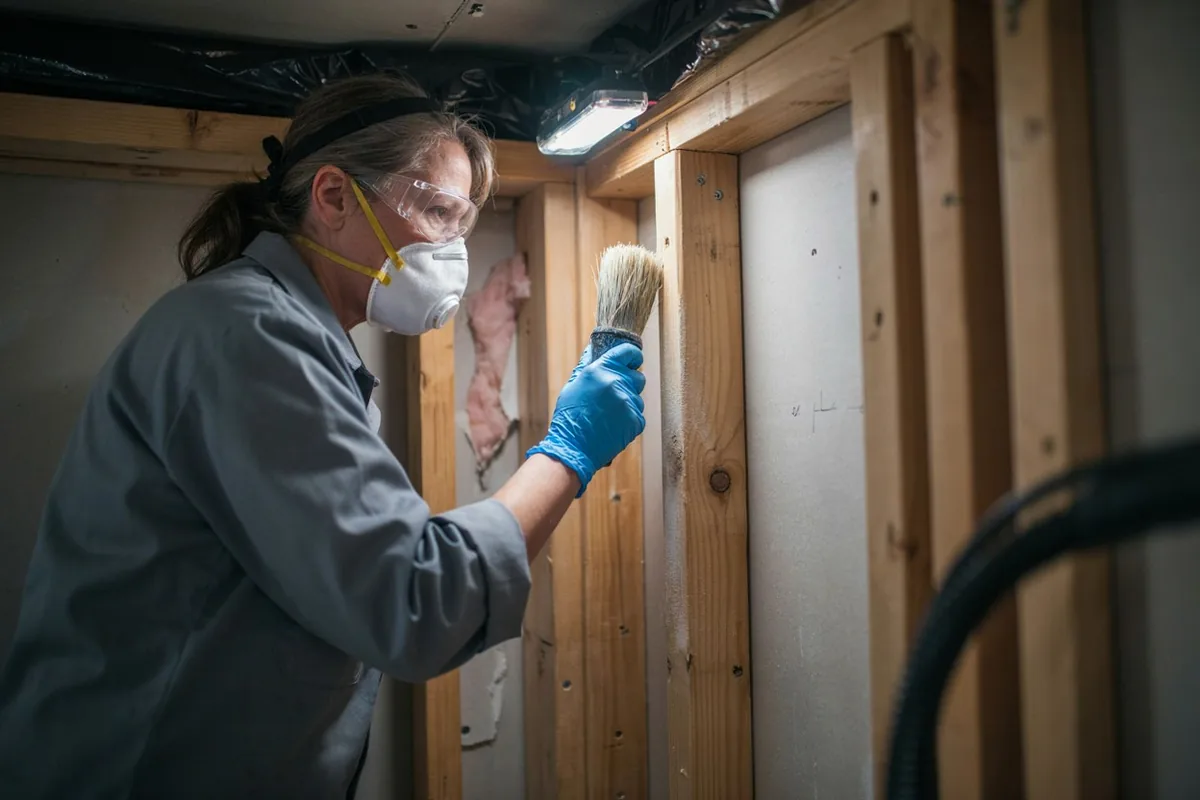
Sealed work area, negative pressure, and the wet drywall, trim, and insulation out — then the framing cleaned and dried before anything closes back up.
Black Mold Removal
Dark growth on drywall, ceilings, or baseboards gets the same careful removal as any other mold. The color doesn’t change the job; the moisture behind it does.
Whole-Home Mold Remediation
When growth runs through several rooms after a flood, a long leak, or a house that sat closed up wet — room-by-room containment, removal, and cleaning on one plan.
Attic Mold Remediation
Staining on the roof deck and rafters from a roof leak, a bathroom fan venting into the attic, or a sweating AC unit — cleaned in place with the attic sealed off from the house.
Bathroom Mold Removal
The ceiling over the shower, the wall behind the toilet, the cabinet under the sink. Small rooms with constant moisture, and the removal that lasts once the water is handled.
HVAC and Duct Mold Remediation
Musty air every time the AC kicks on. Growth at the coil, in the plenum, or in wet insulated duct — cleaned or removed so the system stops spreading it.
Crawl Space Mold Remediation
Older Baton Rouge homes on piers hold humid air and standing water under the floor. Joists and subfloor cleaned, wet insulation out, and the space set up to stay drier.
Mold Odor Removal
That musty smell has a source. Finding and removing the growth that causes it, rather than covering it with a spray or a candle.